Where People Go Wrong Progressing The Kettlebell Swing
 Every strength training implement has an iconic exercise. Think about the number of gyms that had someone deadlifting a barbell bending or back squatting with massive weight as their logo. When it comes to the kettlebell there is probably no drill that is as associated with it as the kettlebell swing.
The kettlebell swing is a great example of an exercise that went from somewhat of a villain to a hero. I can remember teaching clients back in 2003, the kettlebell swing at the commercial gym I was renting from. You could see the other trainers watching and trying to digest what was going on. So much so I would be surprised if they didn’t run into a wall with how they looked so confused by the kettlebell swing.
Fast forward to today and the kettlebell swing seems to be the solution to almost every fitness goal. While the kettlebell swing has a potential for great impact to one’s training, people have gotten to the point where they misunderstand the drill and how to progress it.
Every strength training implement has an iconic exercise. Think about the number of gyms that had someone deadlifting a barbell bending or back squatting with massive weight as their logo. When it comes to the kettlebell there is probably no drill that is as associated with it as the kettlebell swing.
The kettlebell swing is a great example of an exercise that went from somewhat of a villain to a hero. I can remember teaching clients back in 2003, the kettlebell swing at the commercial gym I was renting from. You could see the other trainers watching and trying to digest what was going on. So much so I would be surprised if they didn’t run into a wall with how they looked so confused by the kettlebell swing.
Fast forward to today and the kettlebell swing seems to be the solution to almost every fitness goal. While the kettlebell swing has a potential for great impact to one’s training, people have gotten to the point where they misunderstand the drill and how to progress it.
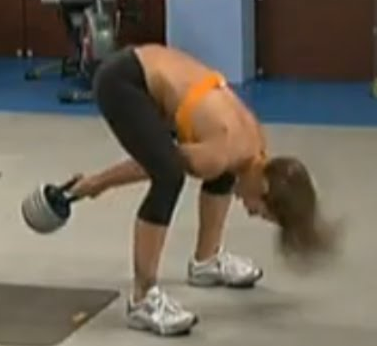 Okay, things going mainstream aren’t always a good thing. However, having raised awareness and excitement about learning is a good thing!
Now that the kettlebell swing is so mainstream, we HAVE to discuss how you properly perform the movement. Watching people post “101 kettlebell swing” videos sends most down the wrong path. It is like the old saying, “just because you can, should you?” Let me dive into where people go wrong with the kettlebell swing and better progressions to be using.
Small Changes, BIG Impact
It took awhile for the kettlebell swing to become accepted by most. The motion makes many think the low back is bearing lots of load and that scares them. The truth is, the low back CAN have too much load exposed to it if we don’t keep the concepts of the movement at the cornerstone. What do I mean?
The kettlebell swing is driven by force we create into the ground with our feet. That hip flexion we use to initiate the movement is key in creating the “pre-load” that is necessary to project the weight out by extending the hips explosively. In other words, if we can’t get the proper pre-load, we aren’t able to express the force correctly. Let me give you an example of a kettlebell swing that has gotten some popularity, but has the potential to cause serious issues.
https://www.instagram.com/tv/ByDAEIqH3Bo/
While I demonstrate a clean above, not silly enough to do this with a swing, the point is still the same. When we are in any type of kneeling position on the ground, one of our hips always stays flexed. That means when we go to pre-swing the weight we are already in hip flexion and don’t have much place to go. Instead of loading the hips, this usually leads to loading on the spine, not awesome!
Additionally, when one knee is always in a flexed position it is very difficult to get the same hip extension that projects the load forward. This leads to more of using the arm and low back which obviously we don’t want to do. As you see in the video, we can use these concepts if various forms, but we don’t want to lose the essence of the drill and put you position of risk.
One of the smallest changes one can make to the kettlebell swing to get more out of the movement is going to single arm. Even though the loads will drop, we get so much MORE out of the drill. Why is that? Now with the kettlebell swing we not only have to produce a great deal of force, but resist it as well. We build more sophisticated power and learn how to navigate true functional training concepts. The video below helps break down some of the important aspects of the movement.
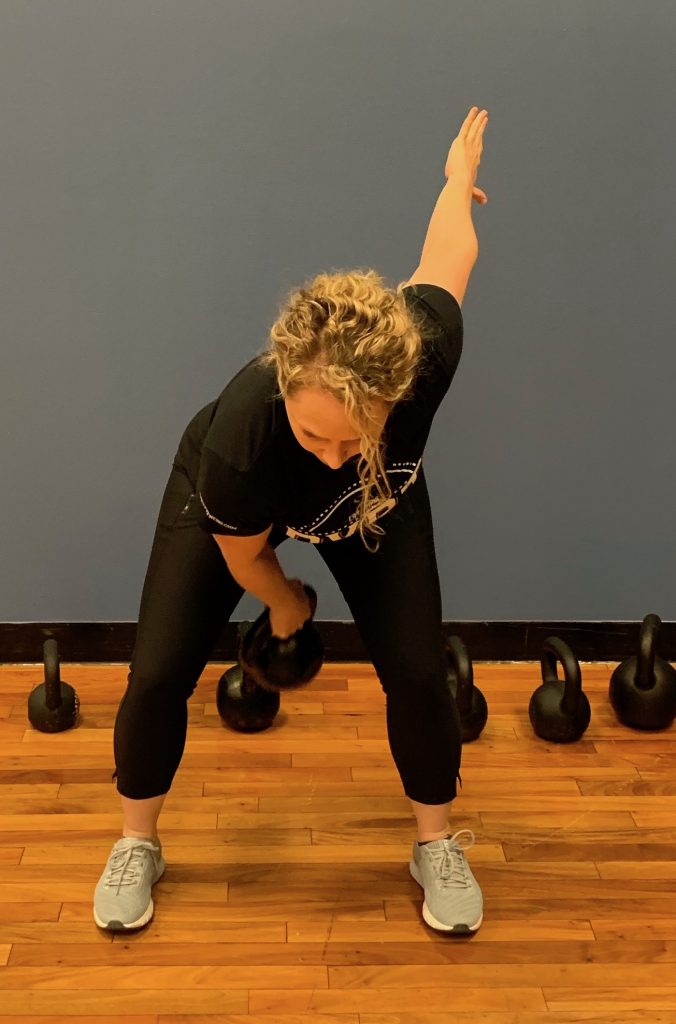
You will notice that I referenced a “triangle” of the body. This is a great coaching cue for anyone doing the kettlebell swing themselves or teaching others. The triangle, as you see below, is where we want the kettlebell to travel to generate and absorb high levels of force. Many issues with the performance of the kettlebell swing stems from going below the triangle.
Okay, things going mainstream aren’t always a good thing. However, having raised awareness and excitement about learning is a good thing!
Now that the kettlebell swing is so mainstream, we HAVE to discuss how you properly perform the movement. Watching people post “101 kettlebell swing” videos sends most down the wrong path. It is like the old saying, “just because you can, should you?” Let me dive into where people go wrong with the kettlebell swing and better progressions to be using.
Small Changes, BIG Impact
It took awhile for the kettlebell swing to become accepted by most. The motion makes many think the low back is bearing lots of load and that scares them. The truth is, the low back CAN have too much load exposed to it if we don’t keep the concepts of the movement at the cornerstone. What do I mean?
The kettlebell swing is driven by force we create into the ground with our feet. That hip flexion we use to initiate the movement is key in creating the “pre-load” that is necessary to project the weight out by extending the hips explosively. In other words, if we can’t get the proper pre-load, we aren’t able to express the force correctly. Let me give you an example of a kettlebell swing that has gotten some popularity, but has the potential to cause serious issues.
https://www.instagram.com/tv/ByDAEIqH3Bo/
While I demonstrate a clean above, not silly enough to do this with a swing, the point is still the same. When we are in any type of kneeling position on the ground, one of our hips always stays flexed. That means when we go to pre-swing the weight we are already in hip flexion and don’t have much place to go. Instead of loading the hips, this usually leads to loading on the spine, not awesome!
Additionally, when one knee is always in a flexed position it is very difficult to get the same hip extension that projects the load forward. This leads to more of using the arm and low back which obviously we don’t want to do. As you see in the video, we can use these concepts if various forms, but we don’t want to lose the essence of the drill and put you position of risk.
One of the smallest changes one can make to the kettlebell swing to get more out of the movement is going to single arm. Even though the loads will drop, we get so much MORE out of the drill. Why is that? Now with the kettlebell swing we not only have to produce a great deal of force, but resist it as well. We build more sophisticated power and learn how to navigate true functional training concepts. The video below helps break down some of the important aspects of the movement.
You will notice that I referenced a “triangle” of the body. This is a great coaching cue for anyone doing the kettlebell swing themselves or teaching others. The triangle, as you see below, is where we want the kettlebell to travel to generate and absorb high levels of force. Many issues with the performance of the kettlebell swing stems from going below the triangle.
Newsletter
Sign-up to our newsletter for free, regular training tips.