Why Mobility Training Doesn’t Work!
 When I say that mobility training doesn’t work, what I mean is how people think and perform their mobility training. Many times in fitness or performance training we start with the answer before we ask the right questions. For example, we see a tight hip or shoulder and we instantly think “let’s hit that shoulder/hip with some mobility training.” Wait for a moment!
Seeing restrictions in mobility should make us step back and look at the whole body and think, “why is that shoulder/hip not moving well?” Is it structural? Has that person had an injury previously that could have caused a build-up of scar tissue, actually impacted the structure of the joint, etc.? If so, then we are only going to be able to get so much out of our mobility training and it may require a few different methods to achieve the results. My point though is we just go to our toolbox before we really assess what is going on with the individual. Sometimes finding out the issue isn’t all that complicated if we take the time to ask people simple questions like, “have you ever had an injury in that area?” You will be shocked how much information you can get from such an easy thing.
When I say that mobility training doesn’t work, what I mean is how people think and perform their mobility training. Many times in fitness or performance training we start with the answer before we ask the right questions. For example, we see a tight hip or shoulder and we instantly think “let’s hit that shoulder/hip with some mobility training.” Wait for a moment!
Seeing restrictions in mobility should make us step back and look at the whole body and think, “why is that shoulder/hip not moving well?” Is it structural? Has that person had an injury previously that could have caused a build-up of scar tissue, actually impacted the structure of the joint, etc.? If so, then we are only going to be able to get so much out of our mobility training and it may require a few different methods to achieve the results. My point though is we just go to our toolbox before we really assess what is going on with the individual. Sometimes finding out the issue isn’t all that complicated if we take the time to ask people simple questions like, “have you ever had an injury in that area?” You will be shocked how much information you can get from such an easy thing.
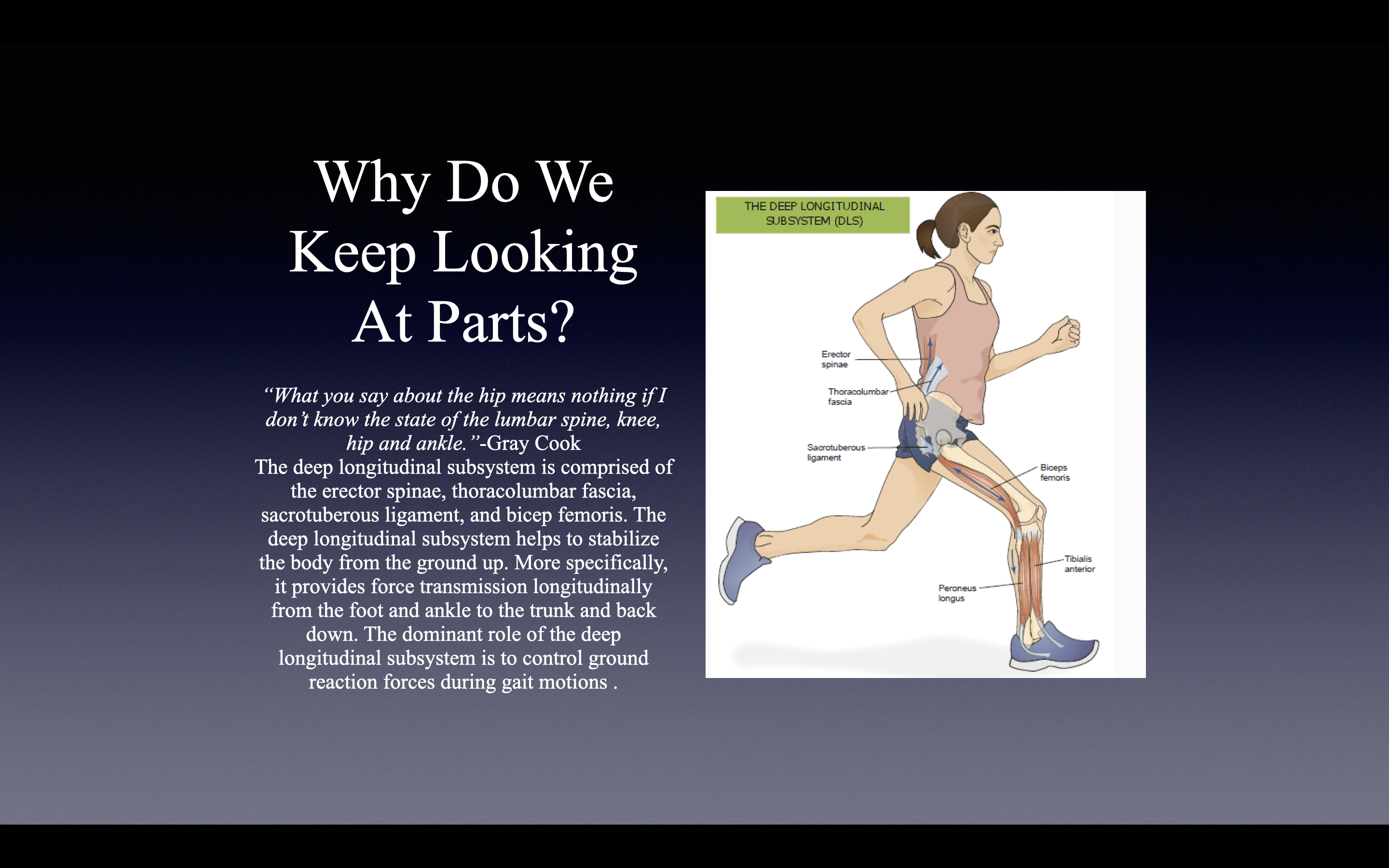 Looking at parts alone is how we end up going against how the body is designed to function!
We also need to step back because the body works as a whole. So, when you see that “shoulder restriction” if you are taking the bodybuilding approach to mobility training that so many people do, then you miss getting the real answers to the movement issues. Physical therapist, Jessica Bento helps me explain this idea using myself as an example!
https://www.instagram.com/p/B4mxJAAH6j9/
If you just looked at my shoulder in isolation, you would be cranking on my shoulder mobility training without knowing my shoulder was largely a byproduct of my neck. We could give a MILLION examples like this, but hopefully, you get the point? You can’t use bodybuilding strategies to how the body moves and performs, it leaves too many holes to be missed.
Being More Purposeful In Your Core Training
When we talk about how to do better mobility training we have to also discuss where things go wrong for a lot of people in their efforts. I think there are 3 keys that we can share to really make a strong impact on people.
Looking at parts alone is how we end up going against how the body is designed to function!
We also need to step back because the body works as a whole. So, when you see that “shoulder restriction” if you are taking the bodybuilding approach to mobility training that so many people do, then you miss getting the real answers to the movement issues. Physical therapist, Jessica Bento helps me explain this idea using myself as an example!
https://www.instagram.com/p/B4mxJAAH6j9/
If you just looked at my shoulder in isolation, you would be cranking on my shoulder mobility training without knowing my shoulder was largely a byproduct of my neck. We could give a MILLION examples like this, but hopefully, you get the point? You can’t use bodybuilding strategies to how the body moves and performs, it leaves too many holes to be missed.
Being More Purposeful In Your Core Training
When we talk about how to do better mobility training we have to also discuss where things go wrong for a lot of people in their efforts. I think there are 3 keys that we can share to really make a strong impact on people.
- Core Stability & Irradiation: Our industry is getting better in some of these science-based concepts of movement, but we also miss the boat by quite a bit. You may have heard that core training and this idea of irradiation are key to unlocking mobility training. Why is that? The most obvious is that if our core can’t stabilize our spine, our body perceives this as a danger so to protect itself and find stability, it will create “tightness” in areas like the hips and shoulders.
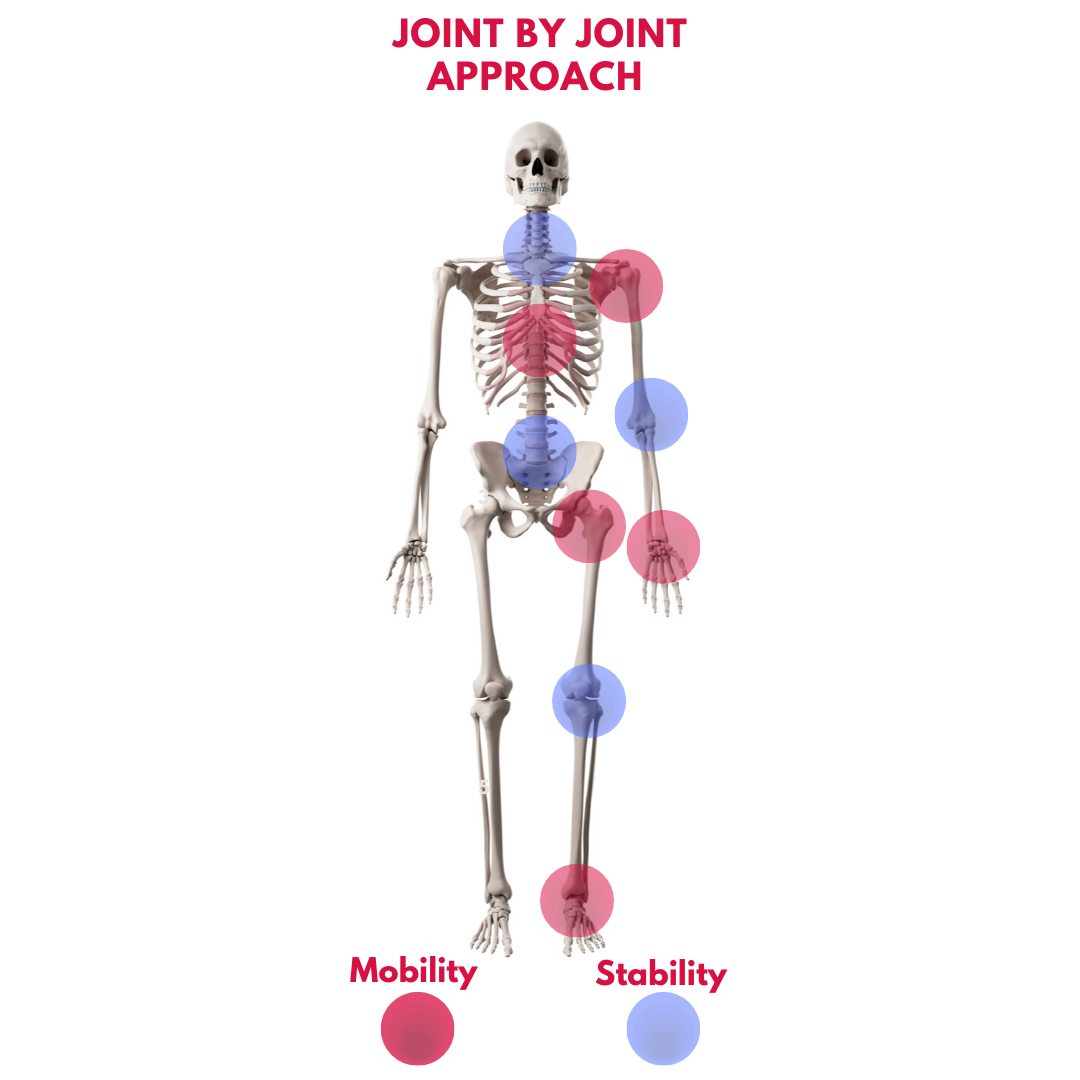 The above diagram shows how our body has alternating segments that have dominance towards stability or mobility. The lumbar spine is designed to have stability whole the hips, thoracic spine, and shoulders are more mobility. So, if the lumbar spine fails to do so, these other areas try to make up for it. That brings us up to the idea of irradiation, you may have heard often referred to as tension. This overly simplifies the concept as I explain below…
The moral of the video above is HOW we create tension and the positions we use matter just as much as creating tension. If we aim to create tension without paying attention to the joint angles we use then we are just stressing our nervous system and not doing much to improve our mobility training. When you watch drills like DVRT Master, Sean Lettero shows, it is being deliberate in our positioning and creating tension against the Ultimate Sandbag that gives it such power. The actual load of the Ultimate Sandbag is often very important in creating that tension and core stability which is why bands don’t work nearly as well!
https://www.instagram.com/p/B94FSGlHu8O/
2. Over Stressing The Nervous System: What I just discussed above is so important because it explains that a lot of mobility training has to also address how the nervous system responds. Think of the nervous system kinda like driving on the street. If you go too far over or under the speed limit you are going to have issues. You have a small barrier but you have to be careful that you don’t go too far either direction. The best example I can give is that people often put people in positions that overly stress the nervous system and that causes their body to shut down! So, how can you modify things? Here is an example.
The above diagram shows how our body has alternating segments that have dominance towards stability or mobility. The lumbar spine is designed to have stability whole the hips, thoracic spine, and shoulders are more mobility. So, if the lumbar spine fails to do so, these other areas try to make up for it. That brings us up to the idea of irradiation, you may have heard often referred to as tension. This overly simplifies the concept as I explain below…
The moral of the video above is HOW we create tension and the positions we use matter just as much as creating tension. If we aim to create tension without paying attention to the joint angles we use then we are just stressing our nervous system and not doing much to improve our mobility training. When you watch drills like DVRT Master, Sean Lettero shows, it is being deliberate in our positioning and creating tension against the Ultimate Sandbag that gives it such power. The actual load of the Ultimate Sandbag is often very important in creating that tension and core stability which is why bands don’t work nearly as well!
https://www.instagram.com/p/B94FSGlHu8O/
2. Over Stressing The Nervous System: What I just discussed above is so important because it explains that a lot of mobility training has to also address how the nervous system responds. Think of the nervous system kinda like driving on the street. If you go too far over or under the speed limit you are going to have issues. You have a small barrier but you have to be careful that you don’t go too far either direction. The best example I can give is that people often put people in positions that overly stress the nervous system and that causes their body to shut down! So, how can you modify things? Here is an example.
Newsletter
Sign-up to our newsletter for free, regular training tips.